About Us
GLIMPSES OF THE PAST
In 1914, when the Colvin-Robb Lumber Company had harvested the timber from its holdings on Lake Eshquagama, the company tore down its lumber camp and built a small shelter where the owners, their families and friends could come for picnics. They drove to the site in horse-drawn carriages or in their new touring cars.
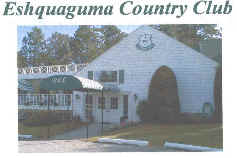
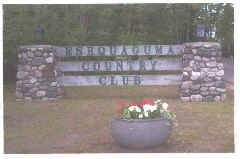
Glimpses of the past
Frank Colvin and James Robb decided to give from their land holdings a sizable piece of land for a club to build a golf course, the first north of Duluth. They gave their land holdings for a dollar, plus life memberships in the Club for themselves and for their children then living. Share-holders were entitled to a 99-year lease for a plot of land, providing they built a cottage on it at once.
The Club borrowed money, built our Clubhouse, and laid out the three-hole golf course, which was quickly expanded to nine holes. About 1919, a large addition to the Club-house was built, consisting of a large dining room with basement locker rooms and showers. The new kitchen and ten sleeping rental-rooms were added on the second floor with one bathroom between floors to service all the rental rooms and to be a powder room for diners.
The golf course had sand greens for many years. The wooden tee wasn't invented until 1926, so tees had to be fashioned from pinches of sand, moistened with water, to make pyramids on which to balance the ball. Boxes holding both the sand and water, necessary supplies, were located at each tee. There were many inventions to hold the ball, but the wooden tee solved that problem. The sandbox became a ball washer as time went by.
On June 17, 1937, the original clubhouse burned down. The second nine-holes, started in 1932, were closed to make way for new 99-year leased lots. This revenue, plus insurance money and a loan enabled the new Clubhouse to be built, and donations from members made possible the additions of more dining areas to be added to the Clubhouse as needed. After World War II ended, many cabins were upgraded, and the Club's tennis courts were built. As the population increased, social activities increased. Dinner dances were held every two weeks, and there were many golf events and tournaments. Management personnel of the predominant mining industry and other business leaders used the Club facilities extensively for business-related gatherings.
In the 1950's, many families made their cabins year-round residences. Soon, the remaining lots of Club property were snapped up, beginning the transition to year-round homes on the lake. Social events included four large dinner dances each season; elaborate theme parties were planned and executed by committees--some of these were a Hawaiian luau (with fountain and fresh flowers), a country fair (with midway attractions and home-canned goodies), and Roaring Twenties (everyone in costume).
In 1967, the Clubhouse was expanded by the addition of a sizable cocktail lounge known as the Grill room. The purchase of chairs with member nameplates attached helped fund the furnishings. The Grill Room continues to be used extensively, preferred by diners in golf and casual clothing in an informal setting.
1979 brought renovations to the Clubhouse, addition of a new entry, more restrooms, remodeled kitchen, shower and locker facilities, golf-club storage, etc. The Pro Shop, starter desk and clothing displays were moved to the Clubhouse's lower level.
The 1980's and 90's have brought younger families, motorized golf carts, more boats (especially pontoons), and more family activities to the Club: children's golf camp, private parties and weddings, while maintaining our traditional golf tournaments, Fourth of July parade, and social events.
Historically, the success of Eshquaguma Country Club has been due to considerable volunteer effort. Often their efforts are invisible to the majority of the members. Individuals who join ECC become members of a family each maintaining independence, appreciating individual differ-ences, yet pulling together to insure the success of our Club. We are a community of caring members with a variety of talents and skills. May we ever continue to be so.
LONG LIVE ESHQUAGUMA!
by Millie Shank (edited by Sandy Douglass)